Introduction
Romer wine glasses, with their cool shape and history, are like a little black dress for your dining table – always classy! They’re more than just something to drink from; they bring a touch of art to any meal. Let’s take a peek at the history of Romer wine glasses, where they came from, how they’ve changed over time, and why they’re still a big deal in wine culture today.
What Are Romer Wine Glasses?
Think of Romer glasses as having a wide, gently curved bowl and a long stem. This shape lets your wine breathe and really brings out its smell. Usually made of crystal or nice glass, they’re all about making your wine taste its best. That special shape is great for red wines, giving them room to swirl and release all those yummy flavors.
A Quick Look at Wine Glass History
Wine glasses have been around for ages! Different cultures have come up with their own styles to match how they like to drink. From simple clay cups to fancy goblets, the way wine glasses have changed shows how technology has improved and how our tastes have changed. Romer glasses popped up as an important style, mixing usefulness with pretty design.
The Olden Days of Romer Wine Glasses
The Start of Making Glass
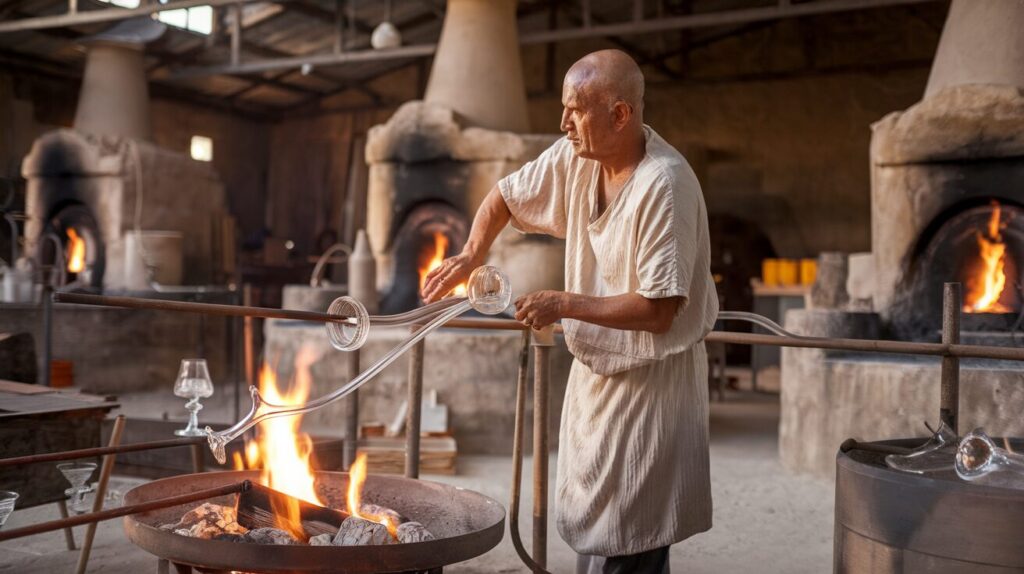
People started making glass way back in ancient Mesopotamia and Egypt. They figured out how to turn sand and other stuff into glass. Then, around the first century BC, the Romans got really good at glassblowing, which meant they could make lots of glassware quickly. This made it possible for different glass styles, like the Romer, to show up.
Wine’s Big Role in Ancient Times
Wine was super important in old societies, from religious stuff to parties. Because it was so important, the cups people drank from were too. The way wine glasses developed went hand-in-hand with what people did and believed. The Romans especially loved their wine, so they made fancy glassware that suited their tastes and traditions.
First Designs and What Influenced Them
As glassmaking spread across Europe, different areas started making their own unique wine glasses. The Romer glass, with its recognizable bowl shape, was inspired by how Germanic tribes drank in the Middle Ages. Its design was made for folks who wanted something that would show off the wine’s good qualities and be easy to hold.
How They Changed Over Time
The Renaissance and Getting Fancy
The Renaissance was a big deal for wine glass design. People were getting back into art, science, and culture, so glassmakers tried to make beautiful, elegant pieces. The Romer glass became a symbol of this time, with detailed designs and craftsmanship that rich people loved.
Craftsmanship in the 17th and 18th Centuries
Glassmaking got even better in the 17th and 18th centuries, especially in places like Bohemia and Venice. Talented artists made amazing Romer glasses with carvings, patterns, and bright colors. These glasses weren’t just for drinking; they were decorations that showed off how wealthy and sophisticated the owners were.
Different Regions, Different Styles
As Romer glasses spread around Europe, they changed a bit depending on where they were made. For example, German Romer glasses often have lots of etchings and a taller stem, while Italian ones might have bright colors and fancy glassblowing. This shows how the Romer glass adapted to different cultures while still keeping its main design.


Romer Glasses Today
New Designs and Cool Ideas
Today, Romer wine glasses are still changing, using new materials and modern looks. Crystal is still popular, but companies are trying out new types of glass that are stronger and clearer. Plus, you can find modern designs with things like built-in aerators or no stem at all, appealing to more people while still being elegant.
Being Eco-Friendly and Making Things Sustainably
Because people are more aware of the environment, many glassmakers are being more sustainable. This means getting materials responsibly, making less waste, and using eco-friendly methods. Modern Romer glasses often show these values, which is great for people who care about craftsmanship and the environment.
Getting Popular in Wine Culture
As more people around the globe enjoy wine, Romer glasses have become popular with both experts and casual drinkers. Their easy-to-hold design and pretty look make them a favorite for wine tastings, restaurants, and home collections. The renewed interest in old-fashioned wine-drinking has also helped the Romer glass stay a classic choice for enjoying good wines.
Picking the Right Romer Glass
What to Think About When Choosing Romer Glasses
When you’re picking out Romer glasses, there are a few things to keep in mind. The material is super important; good crystal makes the wine look even better. The size and shape of the glass also affect how the wine tastes. A wider bowl lets the wine breathe more, while a longer stem makes it easy to hold and keeps your hand from warming up the wine.
Also, think about what you’ll be using the glass for. Some Romer glasses are made just for red wines, while others can be used for both red and white. Knowing what you like and how you’ll use the glasses will help you pick the best ones for you.
Matching Glasses to Different Wines
Using the right Romer glass with different types of wine can make the tasting experience even better. For example, big, bold red wines like Cabernet Sauvignon taste great in a wide Romer glass because it lets the wine breathe and develop its flavors. Lighter reds might be better in a smaller Romer glass to keep the aromas focused. Knowing these little things can help you enjoy different wines even more.
Conclusion: Why Romer Wine Glasses Are Always in Style
Celebrating History and Skill
Romer wine glasses are more than just something to drink wine from; they represent centuries of skill, tradition, and culture. Their journey from ancient times to today shows how this classic glass has stayed appealing. Each glass tells a story of art and new ideas, reflecting the values of the people who made them.
Bringing Elegance to Everyday Life
Using Romer wine glasses at your meals brings a touch of elegance to everyday moments. Whether you’re having a fancy dinner or just relaxing at home, these glasses make the atmosphere nicer and the wine taste better. As you enjoy the history and craftsmanship of Romer wine glasses, you’re joining a tradition that celebrates the simple joy of wine.
FAQ
What makes Romer wine glasses special?
Romer wine glasses have wide, gently curved bowls and long stems, which help bring out the aroma and flavors of wine, especially reds.
Can you use Romer glasses for all wines?
Romer glasses are great for red wines, but you can use them for lighter whites too. But, there are specific glass types that are better for different wine qualities.
How do you clean and take care of Romer glasses?
Wash Romer glasses by hand in warm, soapy water and dry them with a soft cloth to keep them clear and prevent chipping.
Can I use Romer glasses for regular, everyday stuff?
Definitely! Romer glasses add a touch of class to any event, from fancy dinners to casual get-togethers.
Where can I buy Romer wine glasses?
You can find Romer wine glasses at specialty glass stores, online shops, and even some department stores. They come in different styles and prices.